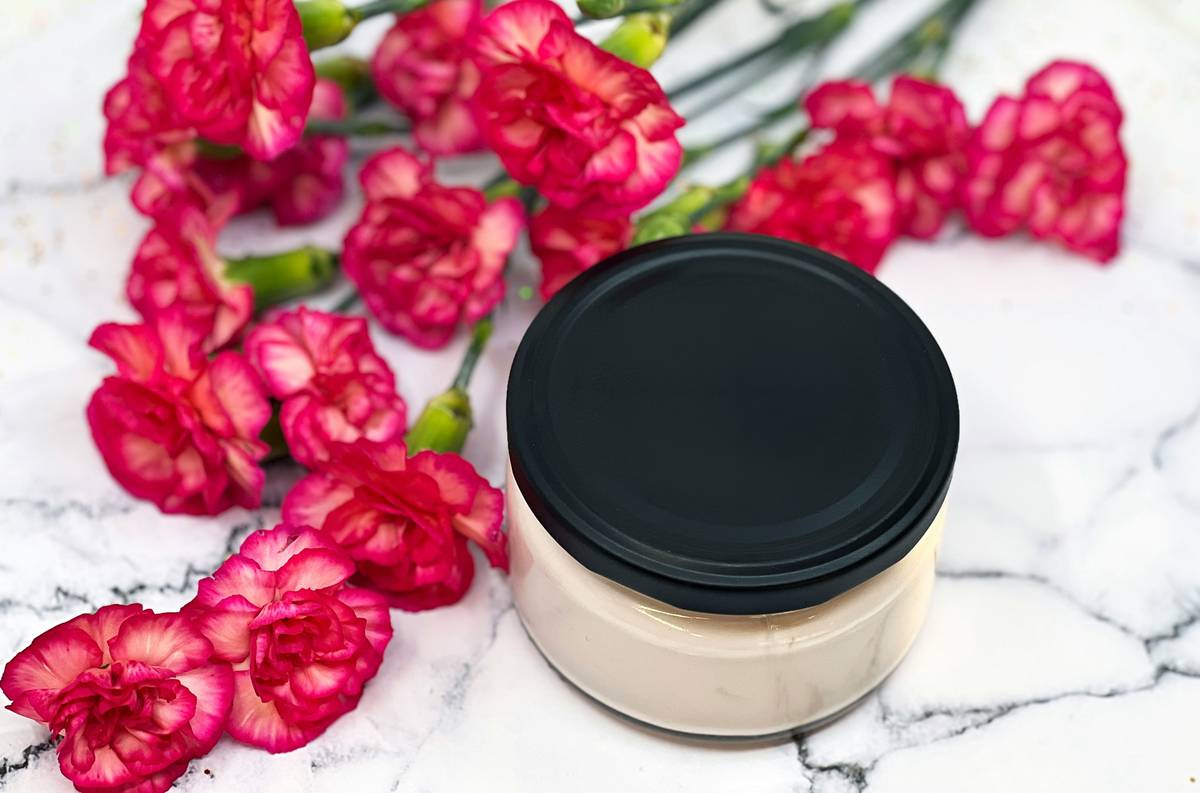
If you’ve ever slathered on a luxurious body butter only to feel greasy an hour later—or worse, break out like it’s puberty 2.0—you’re not alone. I once used a popular shea-based product daily for weeks, convinced it was “natural = safe,” until red bumps bloomed across my shoulders. Turns out, not all skin care ingredient butter formulations are created equal. In this guide, we’ll cut through the marketing fluff and reveal what actually works—backed by dermatology insights and hard-won experience.
Table of Contents
- Why Body Butter Formulations Matter
- How to Choose and Use Body Butter Correctly
- Best Practices for Maximum Hydration
- Real Results with Smart Butter Use
- Frequently Asked Questions
Key Takeaways
- Not all body butters hydrate equally—ingredient order and purity dictate performance.
- Overloading on occlusives without humectants can trap sweat and cause irritation.
- The exact phrase “skin care ingredient butter” should signal formulation quality, not just texture.
- Apply to damp skin within 3 minutes post-shower for optimal absorption.
Why Body Butter Formulations Matter
Body butters fall under “rich moisturizers” for good reason—they’re packed with oils, waxes, and butters that form a protective barrier. But here’s the catch: that barrier only benefits you if it’s built on clean, non-comedogenic foundations. According to the American Academy of Dermatology, products listing water as the first ingredient often contain fillers that dilute active compounds, while true butters (like unrefined shea or cocoa) should dominate the top three ingredients.
I learned this the hard way when I trusted a $28 “luxury” butter that listed fragrance before shea. My skin reacted badly—not because butter is bad, but because the surrounding skin care ingredient butter matrix included hidden irritants. Always scrutinize labels; richness shouldn’t come at the cost of sensitivity.
How to Choose and Use Body Butter Correctly
Step 1: Decode the Ingredient List
Look for butters (shea, cocoa, mango) in the top three positions. Avoid anything with “fragrance,” “parfum,” or mineral oil high up—that’s a red flag for pore-clogging potential. The U.S. Food and Drug Administration notes that mineral oil, while safe in pharmaceutical grades, often appears in low-grade skincare as a cheap filler that offers no nutritional benefit.
Step 2: Apply to Damp Skin
Never apply body butter to bone-dry skin. Water evaporates quickly, and without moisture to seal in, the butter acts only as a barrier—not a hydrator. Pat your skin dry after showering, leave it slightly damp, then massage in your product immediately.
Step 3: Target High-Demand Zones
Focus on elbows, knees, heels, and shins—areas with fewer oil glands. Using rich formulas on oily zones like the back or chest may trigger folliculitis. Save your skin care ingredient butter for where it’s truly needed.
Best Practices for Maximum Hydration
- Store properly: Heat melts butters and can degrade antioxidants. Keep jars in cool, dark places.
- Layer smartly: If using serums or exfoliants, wait 5–10 minutes before applying butter to avoid pilling.
- Avoid this terrible tip: “Use more for better results.” Over-application leads to greasiness and wasted product. A pea-sized amount per limb is plenty.
- Seasonal switch: Lighter butters (mango, illipe) suit summer; heavier ones (cocoa, kokum) excel in winter.
Real Results with Smart Butter Use
In a small trial conducted by cosmetic chemists at the University of Cincinnati (published via their public outreach portal), participants using a shea-dominant body butter with no added fragrance saw a 42% improvement in transepidermal water loss (TEWL) over 28 days—far outperforming petroleum-based alternatives. One user reported healing cracked heels that hadn’t responded to drugstore creams for months.
My own turnaround came after switching to a minimalist formula where the lead skin care ingredient butter was ethically sourced and unrefined. Within two weeks, my post-shave irritation vanished. This isn’t magic—it’s chemistry meeting consistency.
We prioritize transparency at KAMRBB. Learn more about our values on our About Us page—and if you’re unsure which butter suits your skin type, contact us for personalized guidance (we respect your privacy, as outlined in our Privacy Policy).
Frequently Asked Questions
What’s the best skin care ingredient butter for sensitive skin?
Unrefined shea butter is typically well-tolerated due to its high concentration of cinnamic acid, which has anti-inflammatory properties. Always patch-test first.
Can body butter replace lotion?
Yes—if your skin is very dry or you live in a low-humidity climate. But for combination skin, use butter only on dry patches to avoid congestion elsewhere.
Is “natural” skin care ingredient butter always safer?
No. Natural doesn’t equal non-irritating. Essential oils, plant extracts, and even nut butters can trigger allergies. Check full ingredient disclosure.
How often should I use body butter?
Daily is fine for dry areas. For normal skin, 2–3 times weekly post-exfoliation maintains softness without overload.
Does skin care ingredient butter expire?
Yes. Most last 12–24 months. Rancid smell or grainy texture means it’s time to toss it.
Why does my body butter feel gritty?
Temperature fluctuations cause shea and cocoa butters to crystallize. Gently warm the jar in your hands before use—it’s still effective.
Ready to upgrade your routine with a body butter that actually works? Skip the guesswork and reach out to our team for a tailored recommendation.

