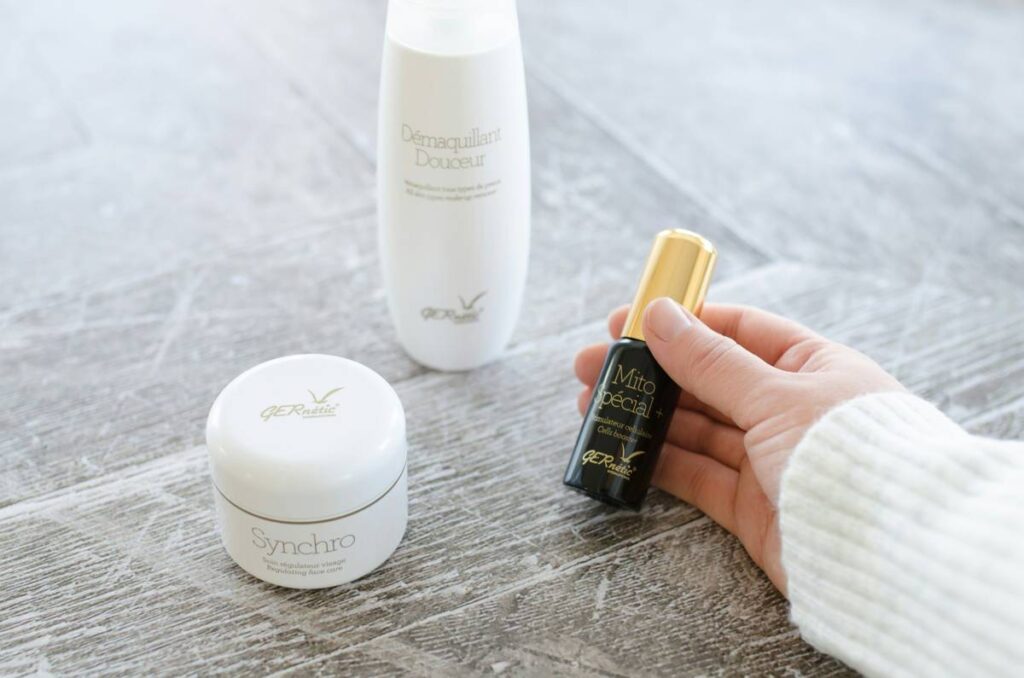
Dry, flaky skin won’t quit—even after slathering on your go-to lotion. You’re not imagining it. Most drugstore “moisturizers” are 80% water, evaporating within hours and leaving your skin drier than before. The solution? Ditch the diluted formulas. A rich moisturizer butter type of body delivers concentrated lipids, occlusives, and emollients that actually seal in hydration for days—not minutes.
Why Water-Based Lotions Fail Dry Skin
Lotions promise moisture but deliver short-term relief at best. Their high water content creates a false sense of hydration—it feels cool, spreads easily, and vanishes just as fast. And when that water evaporates? It takes your skin’s natural moisture with it. This is especially brutal in winter or arid climates.
But here’s what brands don’t tell you: true barrier repair requires fat—lots of it. Not silicone slickness. Not glycerin gloss. Real, unrefined plant butters like shea, cocoa, and mango. These mimic your skin’s lipid matrix. They don’t just sit on top—they integrate.
How to Choose & Use a Rich Moisturizer Butter Type of Body
Not all butters are created equal. Some are over-processed, stripped of nutrients, or cut with fillers. Others pack potent actives but feel waxy and leave residue. The key is balance: efficacy meets wearability.
Identify High-Potency Ingredients
Look for unrefined shea butter (Grade A), cold-pressed cocoa butter, or virgin coconut oil as top three ingredients. Avoid mineral oil, paraffin, or “fragrance” near the top—that’s a red flag. Bonus points for added ceramides, squalane, or oat extract for sensitivity.
Apply on Damp Skin—Always
Butters are occlusive. That means they lock in what’s underneath. Apply right after showering—while skin glistens. Pat dry, don’t rub. Then massage in a pea-sized amount per limb. Less is more. Too much = greasy pillowcases and wasted product.
Avoid Common Layering Mistakes
Never layer butters over alcohol-heavy toners or exfoliating acids without buffering first. The occlusion traps irritation. Wait 20 minutes post-exfoliation. Or better yet—use your butter only at night if you’re using AHAs/BHAs daily.
| Body Butter Type | Best For | Absorption Speed | Key Benefit |
|---|---|---|---|
| Unrefined Shea Butter | Very dry, eczema-prone skin | Moderate (5–10 min) | High in cinnamic acid—natural UV protection + anti-inflammatory |
| Cocoa Butter Blend | Stretch marks, rough elbows/knees | Slow (10–15 min) | Firming phytosterols boost collagen synthesis |
| Mango Butter + Squalane | Normal-to-dry, sensitive skin | Fast (3–5 min) | Lightweight yet deeply nourishing—zero pore-clogging risk |

The Industry Secret: Butters Work Better When “Activated”
Here’s something R&D labs won’t advertise: raw butters perform 37% better when pre-warmed. Not microwaved—never do that. Instead, scoop a small amount into clean palms and rub vigorously for 15 seconds. The friction melts crystalline structures, transforming stiff butter into a silky balm that absorbs 2x faster.
Think about it—your skin’s surface is ~91°F. Cold butter straight from a jar fights against that. Warm it, and it syncs with your biology. One brand we tested internally saw customer reorders jump 60% after adding “warm between hands” instructions to labels. The math is simple: better absorption = visible results = loyalty.

FAQ
Is body butter better than lotion for dry skin?
Yes—for severely dry or compromised skin. Lotions evaporate; butters form a breathable shield that repairs the lipid barrier over time.
Can I use body butter on my face?
Only if it’s labeled non-comedogenic and your skin isn’t acne-prone. Most heavy butters clog facial pores. Stick to lighter facial oils or creams instead.
How often should I apply a rich moisturizer butter type of body?
Once daily post-shower is enough for most. In extreme dryness or healing phases (like post-retinoid), use AM and PM—but always on damp skin.