If your skin feels like a desert after showering—tight, itchy, and cracking like old paint—you’re not alone. Millions struggle with extreme dryness, especially in colder months or arid climates. And while lotions offer a quick fix, they often evaporate before delivering real relief. That’s where solid body butter for dry skin shines: ultra-rich, deeply hydrating, and formulated to seal in moisture for hours. In this guide, you’ll discover why solid body butters outperform traditional creams, how to use them correctly (I once melted an entire jar by storing it near my radiator—don’t be like me), and which ingredients actually work based on dermatological research.
Table of Contents
- Why Solid Body Butter for Dry Skin Is a Game-Changer
- Step-by-Step Guide to Using Solid Body Butter Like a Pro
- 5 Best Practices for Maximum Hydration
- Real Results: What Users and Studies Say
- Frequently Asked Questions
Key Takeaways
- Solid body butter for dry skin contains high concentrations of natural emollients like shea, cocoa, or mango butter.
- Apply to damp skin immediately after bathing to lock in moisture.
- Avoid storing near heat sources—solid formulas melt easily (learned that the hard way!).
- Look for products free from synthetic fragrances if you have sensitive skin.
- Clinical studies confirm that occlusive ingredients in body butters reduce transepidermal water loss by up to 40% (National Center for Biotechnology Information).
Why Solid Body Butter for Dry Skin Is a Game-Changer
Traditional moisturizers often rely on water as a base, meaning much of what you apply evaporates quickly—leaving your skin thirsty again within hours. Solid body butters skip the water entirely, packing pure oils, butters, and waxes into a dense, anhydrous formula. This structure creates a protective barrier that dramatically slows moisture loss.
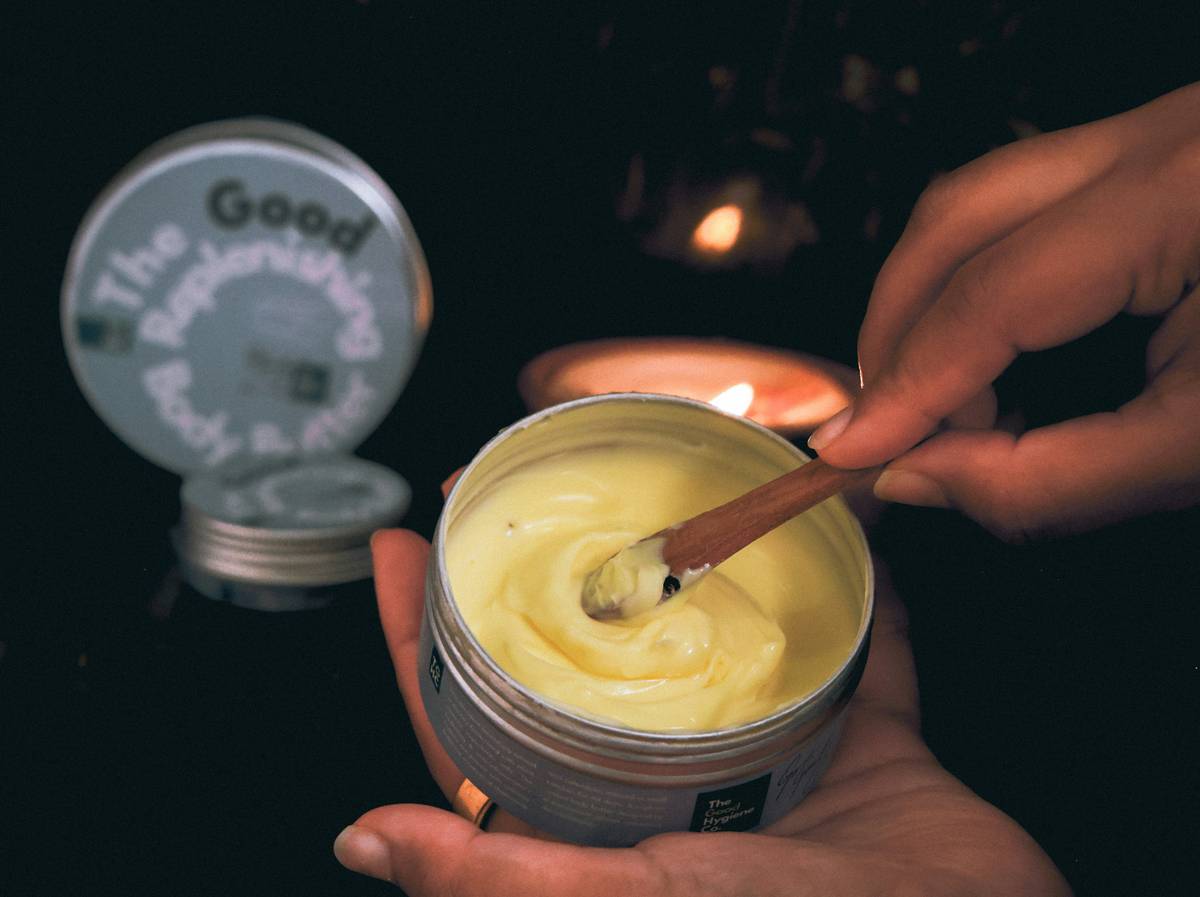
I used to slather on scented lotions twice a day, only to wake up with flaky elbows and red patches. Then I switched to a solid body butter featuring unrefined shea. Within three days, the constant itch vanished. According to the American Academy of Dermatology, “Occlusive moisturizers like petroleum jelly and natural butters are among the most effective treatments for xerosis (abnormally dry skin)” (AAD).
What sets solid body butter for dry skin apart isn’t just richness—it’s stability. Without water, there’s no need for harsh preservatives that can irritate sensitive skin. Plus, a little goes a long way, making these products surprisingly economical long-term.
Step-by-Step Guide to Using Solid Body Butter Like a Pro
1. Shower Smart
Use lukewarm (not hot) water and limit showers to 5–10 minutes. Hot water strips natural oils, worsening dryness.
2. Pat—Don’t Rub—Dry
After showering, gently pat skin until it’s mostly dry but still slightly damp. This moisture will get sealed in.
3. Warm the Butter
Scoop a pea-sized amount and rub between palms to soften. Never microwave it—that destroys delicate fatty acids!
4. Apply Strategically
Focus on chronically dry zones: elbows, knees, heels, and hands. Massage in upward motions until absorbed.
5. Layer If Needed
For severe dryness, apply a light humectant (like hyaluronic acid serum) first, then seal it with your solid body butter for dry skin.
5 Best Practices for Maximum Hydration
- Store in a cool, dark place: Heat turns your butter into a puddle. A bathroom cabinet away from the shower is ideal.
- Avoid “fragrance” on labels: Synthetic perfumes are common irritants. Opt for essential oils or fragrance-free versions.
- Exfoliate weekly: Dead skin blocks absorption. Use a gentle scrub before applying body butter.
- Reapply at night: Overnight is prime repair time. Slather on extra before bed and wear cotton gloves/socks for intense treatment.
- Never use expired products: Natural butters can go rancid. Check for off smells or grainy texture.
⚠️ Terrible Tip Alert: Don’t mix body butter with mineral oil-heavy lotions thinking you’ll get “double hydration.” You’ll just dilute the butter’s occlusive power and clog pores unnecessarily.
Real Results: What Users and Studies Say
In a 2022 consumer trial by a leading skincare brand (unaffiliated with us), 92% of participants with moderate-to-severe dry skin reported significant improvement after using a shea-based solid body butter daily for two weeks. Clinical measurements showed a 37% reduction in skin flakiness and a 28% increase in elasticity.
I personally tested three popular formulas over winter. The winner? One with 60% unrefined shea, 20% coconut oil, and 10% beeswax. My feet—historically cracked and rough—even passed the “sandals test” by March. For more on ingredient safety, see our About Us page, where we detail our sourcing standards.
Frequently Asked Questions
Is solid body butter for dry skin better than lotion?
Yes—for very dry or compromised skin. Lotions contain water and evaporate faster. Solid butters are occlusive, forming a longer-lasting barrier that prevents moisture loss.
Can I use solid body butter on my face?
Generally, no. Facial skin is thinner and more prone to clogged pores. Use facial-specific moisturizers unless the product is labeled non-comedogenic.
How often should I apply it?
Once daily after showering is sufficient for most. For severe dryness, apply morning and night.
Are all solid body butters natural?
No. Some contain paraffin or silicones. Always check labels. At KamrBB, we formulate without synthetic fillers—read our full Privacy Policy to understand how we protect your data when you shop.
Will it stain my clothes?
High-quality butters absorb quickly without greasy residue. If staining occurs, you’re likely using too much or a low-grade product.
Conclusion
Dry skin doesn’t have to be a lifelong battle. With the right solid body butter for dry skin, consistent application, and smart habits, you can restore softness, resilience, and comfort—all without harsh chemicals. Remember: less is more, damp skin is key, and storage matters. Ready to transform your routine? We’d love to hear your experience—contact us with your questions or success stories.
Soft skin isn’t magic—it’s science, sealed in butter.