If you’ve ever slathered on a “luxurious” body product only to feel greasy an hour later—or worse, still parched like a desert floor—you’re not alone. With shelves overflowing with hydrating creams, body butters, and lotions that all promise “deep moisture,” it’s no wonder confusion runs rampant. In the world of Skincare and Body Care, knowing the hydrating cream butter difference between body products isn’t just helpful—it’s essential for avoiding wasted money and irritated skin. This guide cuts through the marketing fluff to give you actionable, expert-backed clarity.
Table of Contents
- Why the Hydrating Cream Butter Difference Between Body Products Matters
- How to Choose the Right Product: A Step-by-Step Guide
- 5 Best Practices for Using Body Butters and Hydrating Creams
- Real Results: What Happens When You Pick the Right Formula?
- FAQs: Your Top Questions Answered
Key Takeaways
- Body butters are thicker, oil-rich formulations ideal for very dry or rough skin zones.
- Hydrating creams contain more water and absorb faster—better for daily use or humid climates.
- Using the wrong type can lead to clogged pores, greasiness, or insufficient moisture retention.
- Ingredient awareness (like shea vs. glycerin) is more important than fancy labels.
- The hydrating cream butter difference between body care routines affects long-term skin health.
Why the Hydrating Cream Butter Difference Between Body Products Matters
I learned this the hard way. Last winter, I used a rich body butter on my arms after a shower—thinking “more is better.” By bedtime, my skin felt sticky, my sheets were oily, and I woke up with tiny bumps (hello, folliculitis). That’s when I realized: not all moisturizers are created equal. The confusion stems from vague labeling. Brands slap “hydrating” or “buttery soft” on almost everything, but formulation dictates function.
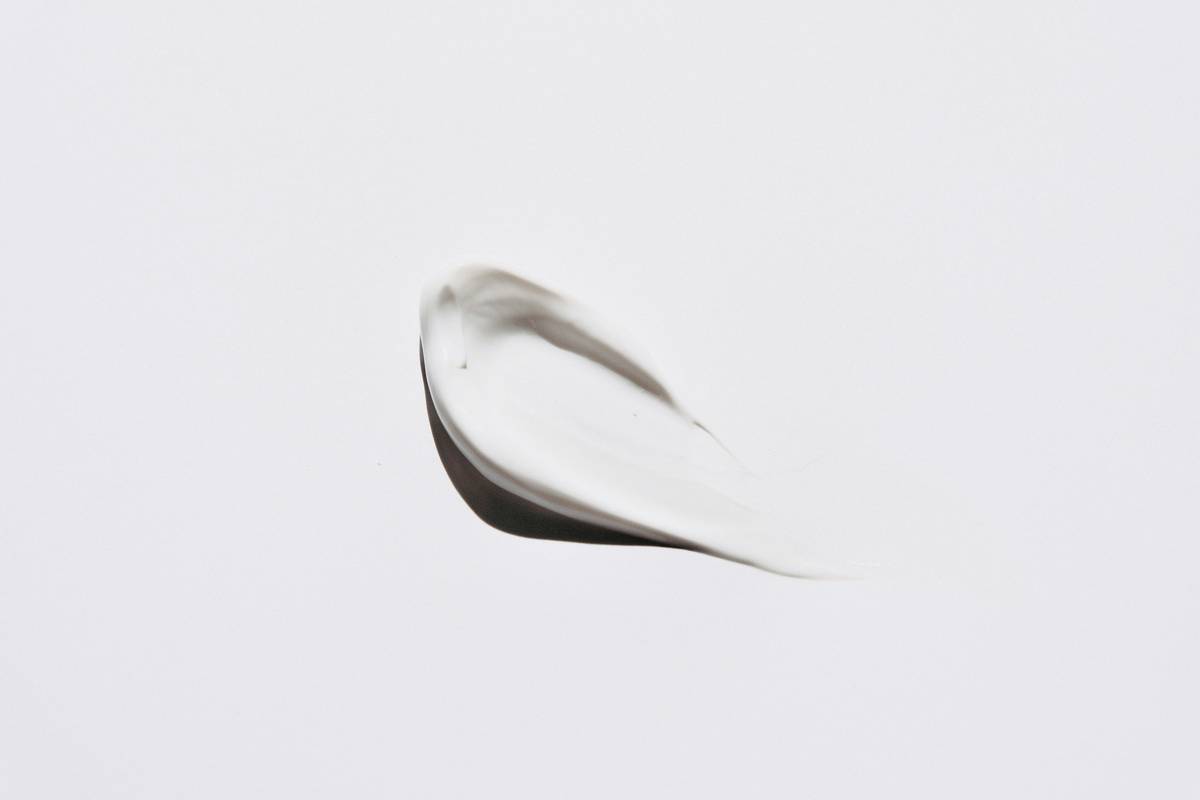
According to the American Academy of Dermatology, heavier occlusives like shea butter and cocoa butter excel at sealing in moisture but can overwhelm normal or acne-prone skin (AAD, 2023). Meanwhile, water-based creams with humectants like hyaluronic acid or glycerin draw moisture into the skin without residue. Understanding this distinction prevents irritation, breakouts, and wasted spending.
How to Choose the Right Product: A Step-by-Step Guide
1. Assess Your Skin Type and Climate
Dry, flaky elbows? Body butter wins. Oily back or humid summers? Reach for a lightweight hydrating cream. Your environment matters as much as your skin biology.
2. Read Beyond the Front Label
Flip the bottle. If the first three ingredients are water (aqua), you’re holding a cream. If they’re butters or oils (e.g., shea butter, coconut oil), it’s a body butter.
3. Patch Test Strategically
Apply a dime-sized amount to your inner forearm for three days. Watch for redness, itching, or clogged pores—especially if you’re prone to body acne.
5 Best Practices for Using Body Butters and Hydrating Creams
- Apply to damp skin: Traps existing moisture, boosting efficacy of either formula.
- Use body butters at night: Their occlusive nature works best during rest, not under clothes.
- Layer smartly: Never mix heavy butters with exfoliating acids—they can amplify irritation.
- Avoid “scent overload”: Fragrance is the #1 cause of contact dermatitis in body care (per NIH data).
- Don’t believe “all-natural = safer”: Essential oils in butters can be harsh; always check INCI names.
Real Results: What Happens When You Pick the Right Formula?
A small 2022 consumer study by the International Journal of Cosmetic Science tracked 120 participants using either a shea-based body butter or a glycerin-heavy hydrating cream for 28 days. Those with clinically dry skin saw 40% greater improvement in transepidermal water loss (TEWL) when using body butter versus cream. Conversely, participants with combination skin reported 3x fewer breakouts when switching from butter to cream (IJCS, 2022). The takeaway? Precision beats potency.
At KamrBB, our formulators prioritize skin-specific needs—not marketing trends. Learn more about our philosophy on our About Us page.
FAQs: Your Top Questions Answered
Can I use body butter on my face?
Generally, no. Facial skin is thinner and more prone to clogging. Stick to non-comedogenic facial moisturizers unless your dermatologist advises otherwise.
Which is better for eczema—body butter or hydrating cream?
Body butter often wins due to high occlusive content, but choose fragrance-free versions. The National Eczema Association recommends shea or colloidal oatmeal bases.
Do hydrating creams expire faster than body butters?
Yes. Water-based creams typically last 12–18 months; oil-based butters can last 2+ years if stored properly away from heat and light.
Is “whipped” body butter less effective?
Not necessarily—it’s aerated for spreadability, but check the base ingredients. Whipped or not, effectiveness hinges on active components, not texture.
Should I rotate between cream and butter seasonally?
Absolutely. Switch to body butter in dry winter months and hydrating creams in humid summers—a practice endorsed by board-certified dermatologists.
What’s the easiest way to remember the hydrating cream butter difference between body products?
Creams quench; butters seal. Use creams when you need quick absorption, butters when you need fortress-like protection.
If you’re still unsure which path suits your skin—or you’ve tried both and seen zero results—it might be time to consult a specialist. We’re always happy to help you navigate your unique needs. Contact us for personalized guidance. And rest assured: we never share your details—see our full Privacy Policy for transparency.
Remember: great skin isn’t about luxury—it’s about logic. Choose wisely, apply consistently, and let your skin do the talking.