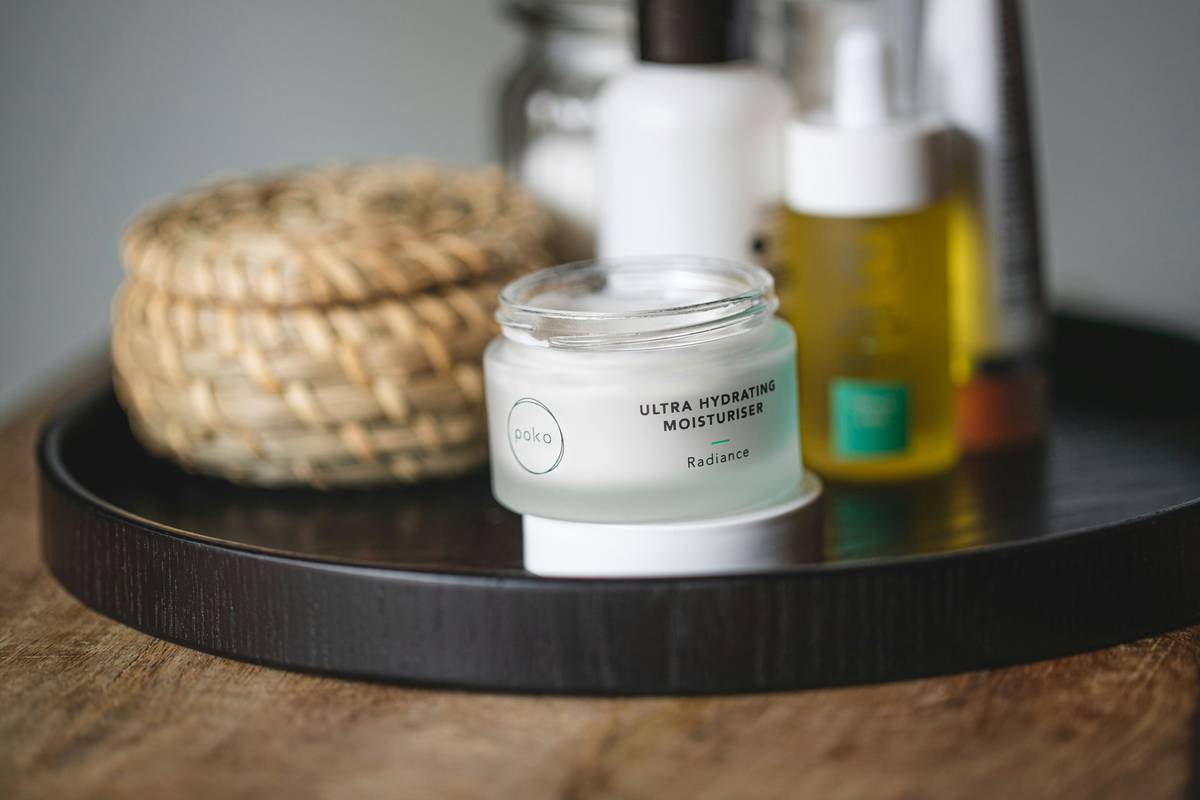
Your skin feels tight by noon. Flakes cling to your sleeves like snow in July. You slather on lotion—again—and it vanishes within minutes. Sound familiar? Most “hydrating” products are mostly water, evaporating faster than your motivation on a Monday. But what if the answer isn’t lighter… but richer? Enter the hydrating cream butter type of body—a dense, occlusive, deeply nourishing hybrid that locks moisture in for hours, not minutes.
Why Typical Lotions Fail Chronically Dry Skin
Water-based lotions promise hydration but deliver temporary relief—at best. They sit *on* the skin, not *in* it. And when humidity drops or heaters blast, that thin film disappears. Fast.
Butter-based formulas work differently. They’re not trying to hydrate—they’re sealing existing moisture *and* feeding lipids back into compromised barriers. Skipping this step is like leaving your front door wide open in a blizzard. Sure, you’ve got a coat—but without a seal, cold air wins.
How to Use a Hydrating Cream Butter Type of Body Like a Pro
It’s not just *what* you use—it’s *how* and *when*. Most people apply body butter wrong, wasting its potential.
Timing Is Everything: Apply to Damp Skin
Pat skin dry after showering—don’t rub. Leave it slightly damp. Then massage in your butter. Water gets trapped beneath the occlusive layer, boosting absorption dramatically. Miss this window? You’re just greasing dry desert sand.
Layer Smartly—Don’t Overdo It
A little goes far. Scoop a nickel-sized amount for each limb. Melt between palms first—cold butter won’t spread evenly. Focus on elbows, knees, heels. Avoid over-applying on areas prone to sweating; occlusion there can cause irritation.
Pair With Humectants (The Hidden Hack)
For extreme dryness, layer a humectant serum (like hyaluronic acid) on damp skin *before* the butter. The butter seals in both water *and* the humectant’s pull. This combo? Clinical-grade results at home.

| Product Type | Water Content | Occlusivity | Best For | Duration of Effect |
|---|---|---|---|---|
| Standard Lotion | 70–90% | Low | Normal to oily skin | 1–2 hours |
| Body Milk | 60–80% | Moderate | Daily maintenance | 3–4 hours |
| Hydrating Cream Butter Type of Body | 10–30% | High | Dry, flaky, sensitive, or mature skin | 8+ hours |

The Industry Secret: Butter Isn’t Just Shea or Cocoa
Here’s what beauty brands won’t tell you: not all body butters are created equal. Many “natural” butters on shelves are diluted with cheap fillers—mineral oil, silicones, synthetic waxes—that mimic richness but offer zero barrier repair.
The real magic lies in unrefined, cold-pressed butters blended with ceramides or phytosterols. These mimic the skin’s own lipid matrix. And—and this is critical—the melting point matters. If it melts below 37°C (body temp), it absorbs smoothly instead of sitting like candle wax. That’s why artisanal formulations from small labs often outperform mass-market giants. They control melt profiles. Big brands optimize for shelf stability—not skin synergy.
Frequently Asked Questions
Is hydrating cream butter type of body good for sensitive skin?
Yes—if it’s free from fragrance, alcohol, and harsh emulsifiers. Look for formulas with colloidal oatmeal or bisabolol for added calm.
Can I use it on my face?
Generally no. Facial skin is thinner and more prone to clogged pores. Stick to face-specific balms unless labeled non-comedogenic.
How often should I apply a hydrating cream butter type of body?
Once daily post-shower is enough for most. In winter or arid climates, reapply at night before bed for intensive repair.

