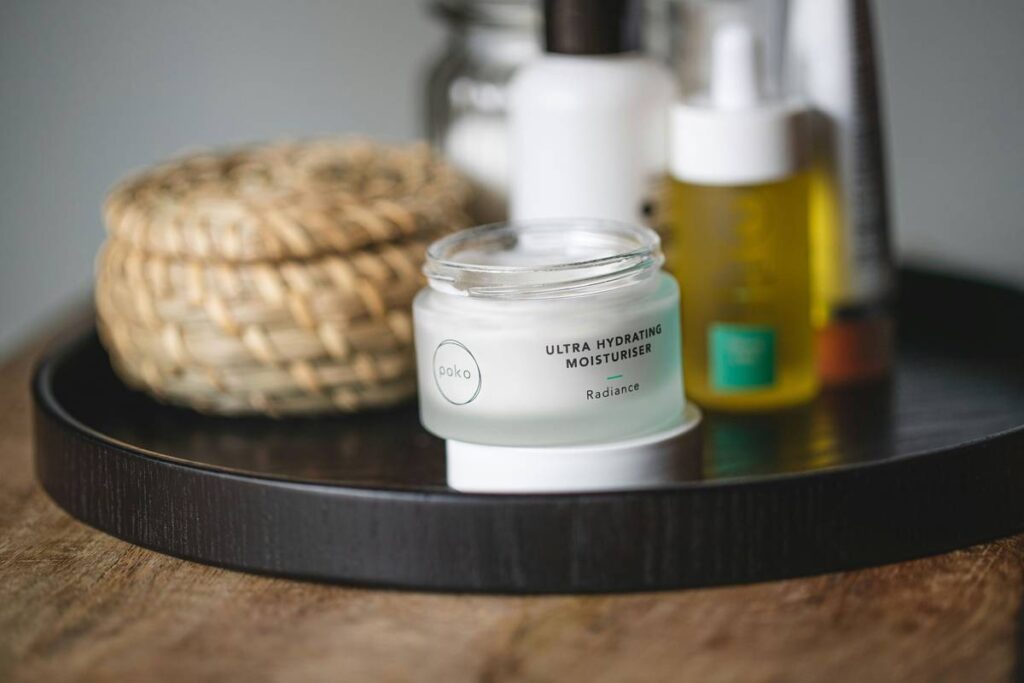
Dry, flaky skin isn’t just annoying—it’s a signal. Your barrier is begging for nourishment. Most lotions vanish in minutes, leaving you reapplying all day. But what if the answer isn’t another serum or oil? Enter hydrating cream butter. Rich, occlusive, and packed with bioactive lipids, it locks in moisture like nothing else. And yes—hydrating cream butter what are health perks go beyond soft elbows.
Why Standard Moisturizers Fail (And Leave Skin Starved)
Conventional body lotions rely on water-heavy formulas—up to 80% H₂O. Apply one, and you feel hydrated for maybe 30 minutes. Then? Evaporation kicks in. You’re left drier than before—thanks to transepidermal water loss (TEWL). Emulsifiers and alcohols in cheap creams strip natural oils instead of reinforcing them.
Body butters don’t play that game. They skip water entirely. Instead, they’re built on concentrated butters (shea, cocoa, mango) and plant-based fats that mimic your skin’s own sebum. The result? A breathable shield that actually repairs, not just masks.
How to Choose and Use Hydrating Cream Butter Like a Pro
Step 1: Match the Butter to Your Skin Type
Not all butters behave the same. Shea is deeply emollient—ideal for eczema-prone or mature skin. Cocoa butter offers firmer texture and antioxidants but can feel heavy on oily types. Mango butter? Lightweight yet potent. Absorbs fast without greasy residue.
Step 2: Apply at the Golden Window
Right after showering—while skin is still damp—is non-negotiable. Pat dry, don’t rub. Then slather on your hydrating cream butter. This traps existing moisture beneath the lipid layer. Skip this window, and you’re just sealing in dryness.
Step 3: Layer Smartly for Maximum Penetration
On severely parched zones (heels, elbows), apply a humectant like hyaluronic acid serum first. Let it sink in 60 seconds. Then seal with butter. Humectants pull water; butters lock it in. Alone, each half-works. Together? Synergy.
| Butter Type | Best For | Absorption Speed | Key Active Compounds |
|---|---|---|---|
| Shea Butter | Dry, sensitive, or inflamed skin | Medium | Allantoin, cinnamic acid, vitamins A & E |
| Cocoa Butter | Stretch marks, mature skin | Slow | Polyphenols, stearic acid, theobromine |
| Mango Butter | Oily or acne-prone body skin | Fast | Vitamin C, oleic acid, triterpenes |


The Industry Secret: Most “Natural” Butters Are Compromised
Here’s what brands won’t tell you: refining destroys potency. Commercial shea butter is often deodorized, bleached, and stripped of its healing phytonutrients to extend shelf life and please mass-market noses. You get a white, odorless paste that feels nice—but lacks anti-inflammatory punch.
The fix? Go unrefined and cold-processed. Yes, it smells earthy. Yes, color varies batch to batch. But that’s proof of integrity. Look for certifications like ECOCERT or USDA Organic—and check ingredient lists. If it says “butyrospermum parkii (shea) butter” without modifiers like “refined” or “deodorized,” you’re likely in the clear.
FAQs About Hydrating Cream Butter
What’s the difference between body butter and regular moisturizer?
Body butter contains zero water and relies on dense plant fats for occlusion. Lotions are water-based, evaporate faster, and often require preservatives.
Can hydrating cream butter cause breakouts?
On the body? Rarely. But if you’re acne-prone, avoid heavy cocoa butter on the back or chest. Opt for non-comedogenic mango or illipe butter instead.
How often should I use hydrating cream butter what are health gains?
Daily after bathing for maintenance. For cracked heels or eczema patches, apply twice daily—morning and night—for 7–10 days until healed.