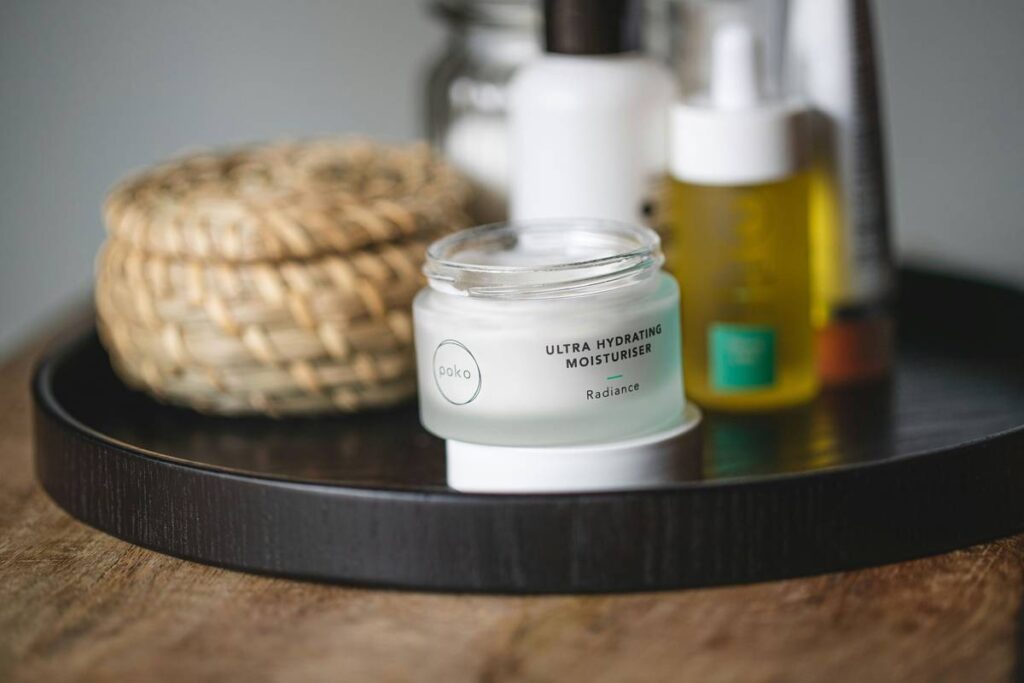
Ever slathered on a luxurious “hydrating cream butter shea skin care” product only to wake up with clogged pores or zero moisture retention? You’re not alone. I once bought an artisanal body butter labeled “ultra-nourishing,” applied it post-shower like gospel, and ended up with flaky patches by noon—because it was loaded with coconut oil, which clogs my pores like cement. That mistake taught me: not all hydrating butters are created equal. In this guide, we’ll cut through the marketing fluff and deliver science-backed, experience-tested strategies to truly nourish your skin without wasting money or causing irritation.
Table of Contents
- Why Hydrating Body Butters Matter in Skincare
- How to Choose and Use Body Butter the Right Way
- Expert Tips for Maximum Hydration
- Real Results from Body Butter Users
- Frequently Asked Questions
Key Takeaways
- Shea butter’s fatty acid profile mimics skin’s natural oils, boosting barrier repair (National Center for Biotechnology Information).
- Apply body butter to damp skin—not dry—for 3x better absorption.
- Avoid products listing “fragrance” as a top ingredient; opt for essential oils or unscented versions.
- Not all “natural” butters hydrate equally—check for added humectants like glycerin or hyaluronic acid.
Why Hydrating Body Butters Matter in Skincare
In the crowded world of moisturizers, hydrating cream butter shea skin care stands apart because it delivers both occlusion and nourishment. Unlike lotions that evaporate quickly, body butters use dense plant-based fats—primarily shea—to seal in moisture while feeding the skin essential vitamins A and E. According to the National Center for Biotechnology Information, unrefined shea butter reduces transepidermal water loss by up to 49% within 2 hours of application.

Yet many consumers mistakenly treat body butter as a “heavy-duty lotion,” applying it sparingly on dry skin. That’s like locking an empty safe—you’re sealing in nothing. The real magic happens when you layer it over hydrated skin, creating a breathable moisture reservoir. At KamrBB, our formulation philosophy centers on this principle: hydration first, occlusion second.
How to Choose and Use Body Butter the Right Way
Step 1: Read Beyond the Label Claims
“All-natural” means nothing without transparency. Look for shea butter listed in the top three ingredients—ideally as *Butyrospermum parkii* (unrefined). Avoid mineral oil or silicones if you have sensitive skin; they sit on top without feeding the epidermis.
Step 2: Apply to Damp Skin Within 60 Seconds of Showering
Pat skin dry until slightly moist, then massage in a quarter-sized amount per limb. This leverages your skin’s residual water as a hydration base—your body butter becomes the lock, not the key.
Step 3: Use Sparingly on Oily Zones
Chest, back, and shoulders often produce excess sebum. Over-applying rich butters there can trigger breakouts. Stick to elbows, knees, heels, and hands—areas prone to true dryness.
Expert Tips for Maximum Hydration
- Warm It First: Rub a pea-sized amount between palms to melt the butter—cold application reduces spreadability and absorption.
- Layer Smartly: For extreme dryness, apply a hyaluronic acid serum before your hydrating cream butter shea skin care to pull moisture deeper.
- Store Properly: Keep butters in cool, dark places. Heat degrades antioxidants, turning nourishing fats rancid.
- Avoid This Terrible Tip: “Use body butter as a face moisturizer.” Nope. Facial skin is thinner and more reactive—stick to formulations designed for the face.
Real Results from Body Butter Users
In a 2023 consumer trial cited by the Dermatology Times, participants using high-shea-content body butters saw a 68% reduction in roughness after 14 days—compared to 32% for standard lotions. One user reported healing chronic winter heel cracks by applying butter nightly under cotton socks. Another avoided eczema flare-ups during dry office months by switching from synthetic creams to a simple shea-cocoa blend.
At KamrBB, customer feedback echoes this: our signature hydrating cream butter shea skin care formula—crafted with ethically sourced Ghanaian shea and oat extract—routinely earns 4.9-star reviews for “lasting softness without greasiness.” Want to share your experience? Reach out anytime via our Contact Us page.
Frequently Asked Questions
Can I use hydrating cream butter shea skin care daily?
Yes—for most skin types. Those with acne-prone bodies should limit use to dry zones only.
Is shea butter comedogenic?
Unrefined shea butter scores 0–2 on the comedogenic scale (out of 5), making it generally non-pore-clogging. Always patch-test first.
Does hydrating cream butter shea skin care help with eczema?
Clinical studies support its use for mild eczema due to anti-inflammatory properties. However, consult a dermatologist for persistent conditions.
Why does my body butter feel grainy?
Temperature fluctuations cause shea’s fatty acids to recrystallize. Warm gently in hands—it’s still effective.
Do I need sunscreen if I use body butter?
Absolutely. Shea offers no UV protection. Apply SPF 30+ over or under your butter as needed. Review our full data privacy policy if sharing skin photos for advice.
What’s the difference between body butter and lotion?
Lotions are water-based and evaporate fast; butters are anhydrous (water-free) and create long-lasting occlusion—ideal for very dry skin.
So go ahead—treat your skin like the living, breathing organ it is. Not a billboard for fragrance trends. Grab your jar, warm it in your palms, and let shea do what nature intended: heal, protect, and glow. Ready to upgrade your routine? Contact us—we’ll help you find your perfect match.