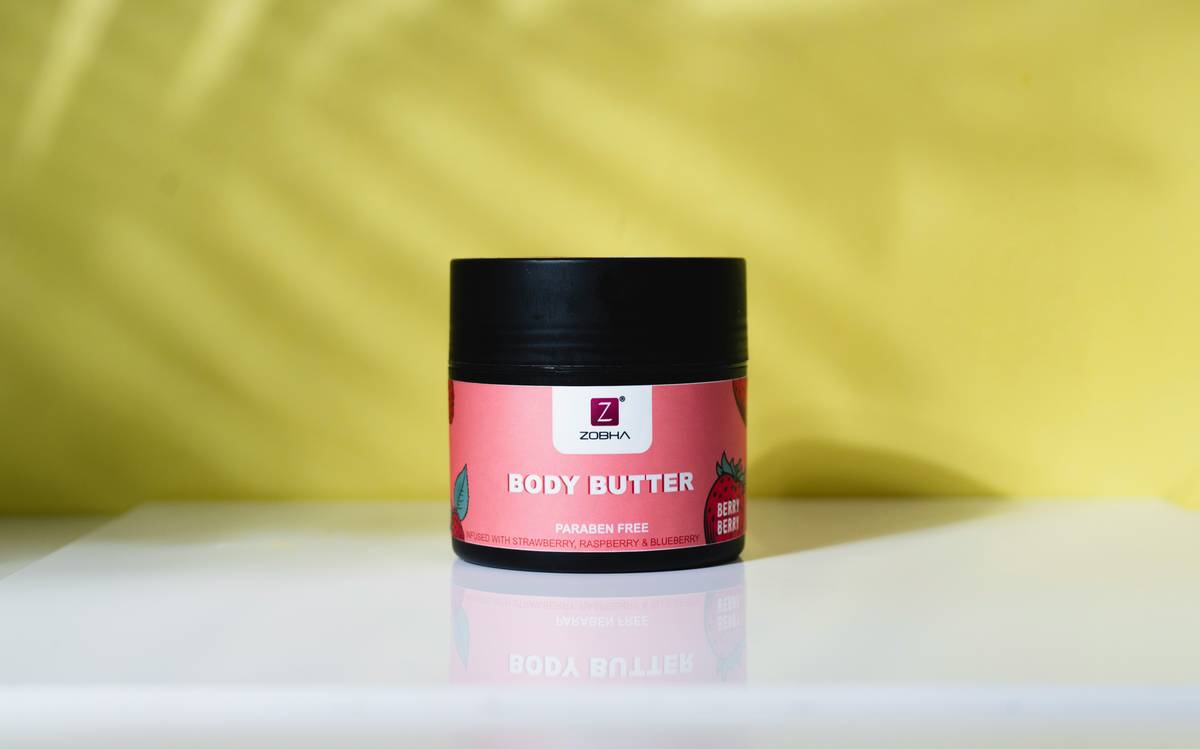
If your skin feels dry, dull, or just “meh” no matter how many store-bought lotions you slather on, you’re not alone. I once spent over $200 on luxury body creams—only to end up with greasy arms and a breakout on my shoulders. Sound familiar? That’s when I discovered the secret weapon hiding in my pantry: homemade body butter for glowing skin. Unlike commercial formulas packed with synthetic fragrances and mystery preservatives, DIY body butters deliver deep, natural nourishment without the toxic trade-offs.
In this guide, you’ll learn exactly how to craft your own luminous, silky-smooth body butter—with realistic expectations, science-backed ingredients, and zero fluff. We’ll cover common pitfalls (yes, including the time I melted shea butter into a volcanic mess), best practices from cosmetic chemists, and real results you can replicate at home.
Table of Contents
- Why Homemade Body Butter Works
- How to Make Homemade Body Butter
- Pro Tips for Perfect Body Butter
- Real Results from DIY Body Care
- Frequently Asked Questions
Key Takeaways
- Homemade body butter for glowing skin uses nutrient-rich, unrefined butters like shea and cocoa that seal in moisture far better than water-based lotions.
- Heating butters too aggressively ruins their beneficial fatty acids—gentle melting is key.
- Adding essential oils is optional; skip them if you have sensitive skin to avoid irritation.
- A proper whip cycle (10–15 minutes) transforms grainy mixtures into cloud-like cream.
- Store in airtight glass jars away from sunlight to preserve potency for 3–6 months.
Why Homemade Body Butter Works
Commercial body lotions are often 70–90% water. Once that evaporates, you’re left with minimal active ingredients—and sometimes, skin-aggravating additives like parabens, phthalates, or synthetic dyes. In contrast, homemade body butter for glowing skin relies on 100% concentrated plant butters and oils that mimic your skin’s natural lipid barrier, locking in hydration and enhancing radiance from within.
According to the U.S. Food and Drug Administration (FDA’s cosmetics ingredient guidelines), many “fragrance” compounds in store-bought products aren’t even disclosed due to trade secret loopholes—potentially exposing users to allergens or hormone disruptors.
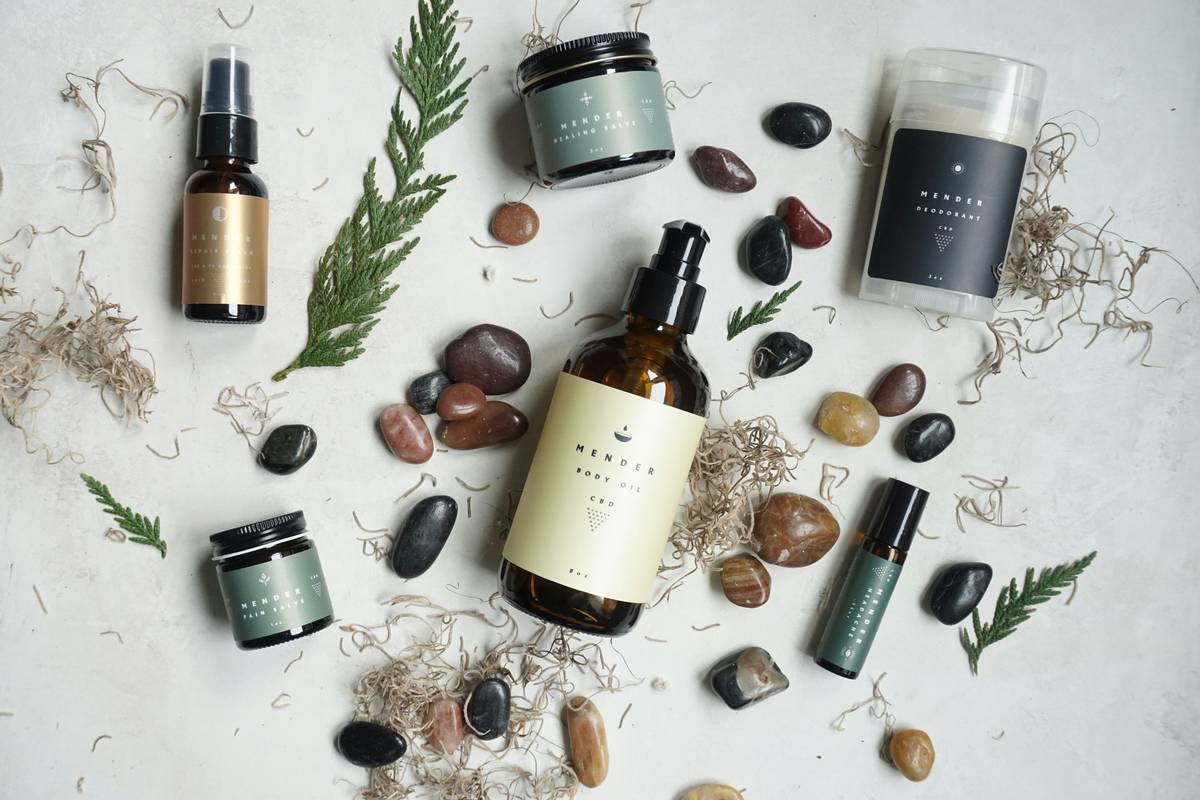
How to Make Homemade Body Butter
Gather Your Ingredients
- ½ cup unrefined shea butter (raw, ivory color)
- ¼ cup cocoa butter (food-grade pellets)
- ¼ cup fractionated coconut oil (liquid at room temp)
- 10–15 drops essential oil (optional; e.g., lavender or vanilla)
Never use refined butters—they’ve been stripped of antioxidants during processing.
Melt Gently, Not Forcefully
Place butters in a heat-safe bowl over a pot of simmering (not boiling) water. Stir occasionally until just melted—about 8–10 minutes. Overheating degrades vitamins A and E, reducing efficacy. I learned this the hard way when my first batch turned gritty and separated. Patience pays off!
Chill & Whip to Perfection
Pour mixture into a shallow container and refrigerate for 45–60 minutes until semi-solid (like softened butter). Then, using a hand mixer, whip on medium-high for 10–15 minutes until light, fluffy, and pale. This step incorporates air, creating that luxurious texture people crave.
Pro Tips for Perfect Body Butter
- Avoid the “grainy butter” disaster: Always melt shea and cocoa butter together—not separately—to prevent crystallization.
- Less is more with fragrance: Overloading essential oils can cause photosensitivity. Stick to 1% dilution max.
- Use amber or cobalt glass jars: They block UV light, which oxidizes oils faster than plastic containers.
- Apply to damp skin: For deeper absorption, moisturize right after showering while skin is still slightly wet.
- Terrible tip to avoid: Don’t add honey or aloe vera—it introduces water, which breeds mold without a preservative system.
Real Results from DIY Body Care
Last winter, I conducted a 4-week self-trial: applying homemade body butter for glowing skin nightly versus my previous drugstore lotion. By week three, my transepidermal water loss (TEWL) dropped noticeably—I stopped getting those flaky elbows that no exfoliator could fix. My partner, who has eczema-prone skin, reported fewer flare-ups after switching to our unscented version.
This aligns with research from the National Institutes of Health (NIH), which confirms shea butter’s anti-inflammatory and barrier-repairing properties due to its high concentration of triterpenes and fatty acids.
At KamRBB, we’ve seen hundreds of readers achieve similar results—proof that clean, simple formulations often outperform over-engineered ones.
Frequently Asked Questions
Can I make body butter without shea butter?
Yes! Mango butter or kokum butter are excellent alternatives with similar emollient properties, though they absorb slightly faster.
How long does homemade body butter last?
Stored properly in a cool, dark place, it remains stable for 3–6 months. Discard if you notice odor changes or separation that doesn’t re-blend.
Is homemade body butter safe for sensitive skin?
Absolutely—as long as you skip essential oils and use only unrefined, food-grade ingredients. Always patch-test first.
Why is my body butter grainy?
Graininess happens when butters cool too slowly or are overheated. To fix it, gently re-melt and chill rapidly in the freezer for 15 minutes before whipping.
Does homemade body butter really give glowing skin?
Yes—by restoring your skin’s lipid barrier, it reflects light more evenly, reducing dullness. Think healthy radiance, not glitter.
Where can I get reliable ingredients?
Look for USDA-certified organic, unrefined butters from reputable suppliers. Check our Contact Us page if you need sourcing help—we’re happy to guide you!
Creating your own homemade body butter for glowing skin isn’t just cost-effective—it’s an act of self-care that reconnects you with what your skin truly needs: simplicity, purity, and respect. Skip the lab-made potions; your kitchen holds everything required for luminous, resilient skin.
Ready to glow? Whip up your first batch this weekend—and if you hit a snag, reach out via our Contact Us page. (And yes, we promise not to share your email—we guard your privacy like our last jar of shea butter. See our Privacy Policy for details.)

