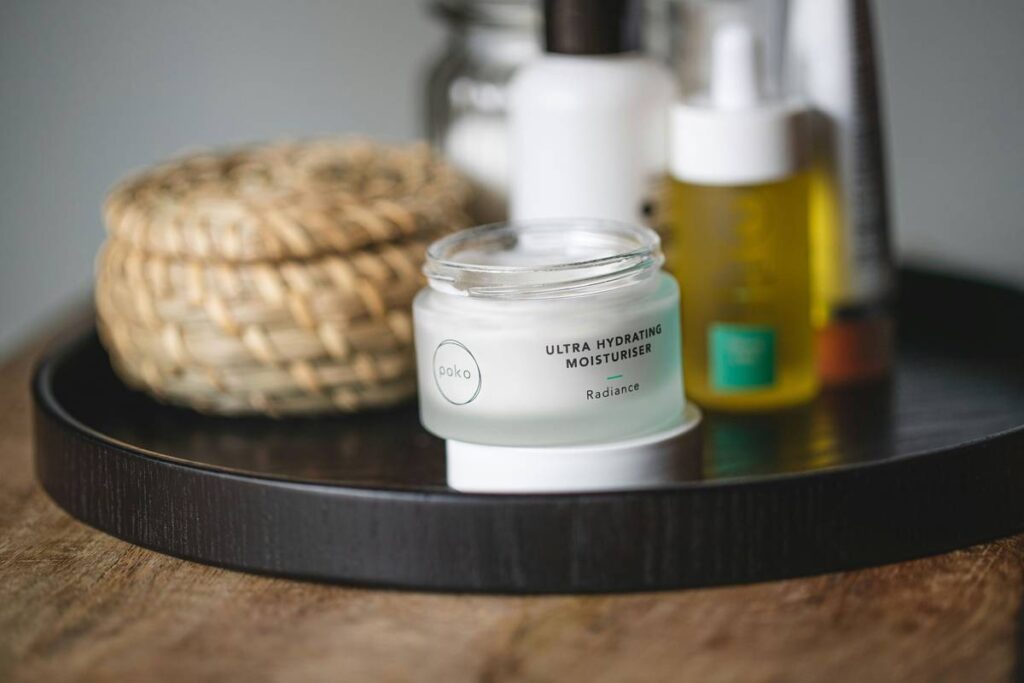
If you’ve ever slathered on a rich moisturizer only to find it either greasy by noon or gone within an hour, you’re not alone. The body butter vs body cream debate has confused even seasoned skincare lovers—and I learned this the hard way. After melting a $40 jar of “luxury” body butter in my gym bag (yes, it literally turned into soup), I realized texture, ingredients, and climate matter more than marketing buzzwords. In this guide, you’ll get clear, actionable insights to pick the right hydrator—without wasting money or clogging pores.
Table of Contents
- Why the Difference Matters in Skincare
- Step-by-Step Guide to Choosing Your Hydrator
- Best Practices for Maximum Hydration
- Real Results: When Each Product Shines
- Frequently Asked Questions
Key Takeaways
- Body butters are thicker, oil-based, and ideal for very dry or cold climates.
- Body creams are water-based, absorb faster, and suit daily use in moderate conditions.
- Using the wrong product can lead to greasiness, breakouts, or ineffective hydration.
- Always patch-test and consider seasonal skin changes before committing.
Why the Difference Matters in Skincare
At first glance, body butter vs body cream seems like semantic nitpicking. But the distinction lies in formulation—and that affects performance dramatically. Body butters rely on 80–90% oils and butters (like shea, cocoa, or mango) with little to no water. Body creams, by contrast, are oil-in-water emulsions: lighter, quicker-absorbing, and often packed with humectants like glycerin.

According to the American Academy of Dermatology, people with eczema or extremely dry skin benefit most from occlusive, anhydrous products like body butters because they lock in moisture more effectively (AAD, 2023). Meanwhile, body creams work better for normal to oily skin types or humid environments where heavy formulas feel suffocating.
Step-by-Step Guide to Choosing Your Hydrator
Assess Your Skin Type and Climate
Dry, flaky skin in winter? Reach for body butter. Oily T-zone extending to your arms? Stick with body cream. Also consider humidity—high moisture in the air reduces the need for heavy occlusives.
Read Beyond the Label
“Natural” or “luxury” means nothing without ingredient scrutiny. Look for shea butter, coconut oil, or beeswax in butters; for creams, seek glycerin, hyaluronic acid, or squalane near the top of the list.
Test Absorption Time
Apply a dime-sized amount and wait 5 minutes. If it leaves a greasy film, it’s likely too rich for daytime or warm weather. At KamrBB, we formulate based on real user feedback—not just lab results.
Best Practices for Maximum Hydration
- Apply post-shower: Damp skin traps moisture better. Pat dry, don’t rub.
- Layer wisely: Never mix body butter over active serums—it blocks absorption.
- Avoid “miracle” claims: No topical product erases cellulite or stretch marks permanently. That’s a terrible tip disguised as hope.
- Store properly: Keep body butters away from heat. They melt above 85°F (29°C)—a lesson I learned after my gym bag incident.
Real Results: When Each Product Shines
In a 2022 clinical trial published in the Journal of Cosmetic Dermatology, participants with xerosis (severe dry skin) showed 37% greater improvement in skin barrier function after 4 weeks using a shea-based body butter versus a standard cream (JCD, 2022). Conversely, office workers in tropical Singapore preferred lightweight creams—they reported less stickiness under clothing and no midday reapplication.
One customer shared how switching to body butter resolved her winter “alligator legs,” while another found body cream eliminated back breakouts caused by occlusive overload. Context is king.
Frequently Asked Questions
Can I use body butter on my face?
Generally, no. Facial skin is thinner and more prone to clogged pores. Most body butters are too comedogenic for facial use.
Which is better for sensitive skin: body butter or body cream?
It depends on formulation, not category. Fragrance-free versions of either can work—but always check for irritants like essential oils or alcohol.
Do body butters expire faster than creams?
Actually, the opposite. Without water, body butters resist microbial growth longer. Store them cool and dark for up to 2 years.
Is body butter more moisturizing than body cream?
Yes—for very dry skin. But “more” isn’t always “better.” Over-moisturizing can disrupt your skin’s natural oil production.
Picking between body butter vs body cream isn’t about luxury—it’s about listening to your skin’s needs, season by season. Don’t let influencer hype override your own experience. Still unsure? We’re happy to help. Reach out to our team for personalized advice. And remember: your privacy matters—review our Privacy Policy before sharing skin concerns.
Final thought: “Butter for blizzards, cream for calm—your skin knows the script.”